
Blood Sugar and Weight Gain: The Hidden Connection Adults Over 40 Need to Know
New research reveals how unstable glucose levels silently drive stubborn fat storage, intense cravings, and persistent low energy — and what a 9-ingredient natural formula may do to break the cycle.
VitaMonster Research Team
VitaMonster LLC has been publishing independent wellness research since 2014. Our team reviews published scientific literature and traditional use evidence to provide balanced, accessible health education.
Key Findings in This Report
- ✓Why blood sugar instability — not just calorie intake — may be the hidden driver of stubborn weight gain after 40
- ✓How blood sugar spikes trigger fat-storage hormones and block the body's ability to burn existing fat
- ✓The role of cravings, energy crashes, and poor sleep in the blood sugar-weight cycle
- ✓A 9-ingredient natural formula with published research behind each compound
- ✓What the difference between prescription glucose drugs and natural support approaches means for everyday adults
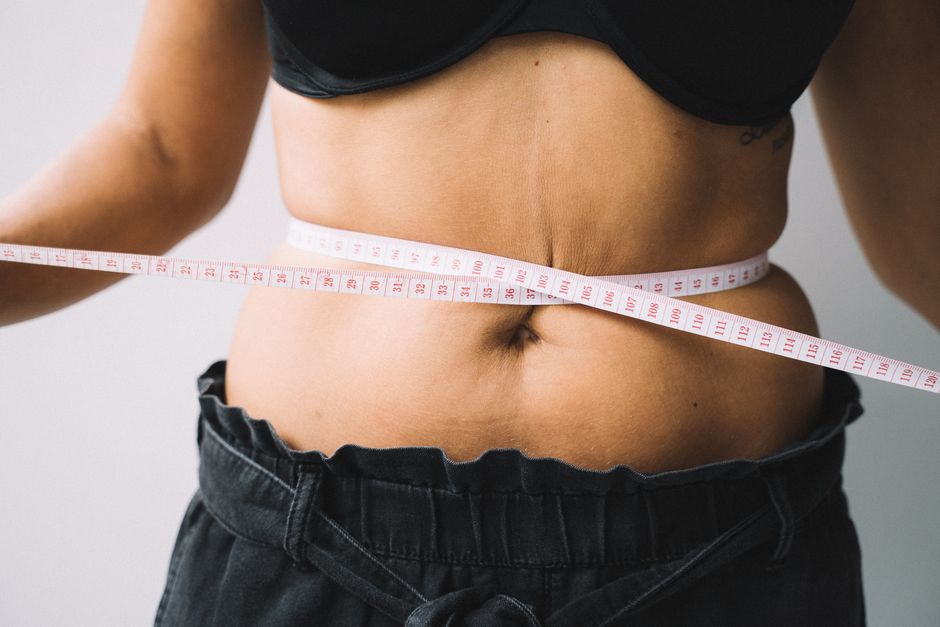
Why Is It So Hard to Lose Weight After 40?
If you have ever followed a strict diet, exercised consistently, and still found the scale refusing to move — you are not alone, and you are not imagining things. What most people experience as a willpower problem is, according to a growing body of published research, more likely a metabolic problem. And at the center of that metabolic problem is something that rarely gets discussed in popular weight loss conversations: blood sugar regulation.
When blood sugar levels spike and crash repeatedly throughout the day, the body enters a cycle that is specifically designed to store fat, protect energy reserves, and drive intense food cravings. This is not a character flaw. It is biology — and once you understand the mechanism, the frustrating patterns that most adults over 40 experience start to make a great deal of sense.
What Is Insulin Resistance?
Insulin is a hormone produced by the pancreas that signals cells to absorb glucose from the bloodstream. When cells become less responsive to this signal — a condition called insulin resistance — the pancreas produces more and more insulin to compensate. Higher circulating insulin levels actively promote fat storage, particularly around the abdomen, and make it physiologically difficult for the body to access and burn stored fat for energy.
Published research suggests that insulin resistance is far more common than most people realize. According to data from the CDC, approximately 96 million American adults — roughly 38% of the adult population — have prediabetes, a condition defined by blood sugar levels higher than normal but not yet high enough to be classified as type 2 diabetes. The majority of these individuals are unaware of their status.
But insulin resistance exists on a spectrum, and many adults experience meaningful blood sugar instability long before any clinical threshold is reached. This subclinical instability — too subtle to be flagged in routine bloodwork, but significant enough to affect how the body stores fat, manages appetite, and produces energy — is one of the most underappreciated drivers of the weight management challenges adults face after 40.
How Blood Sugar Spikes Drive Stubborn Fat Storage
Here is what happens in the body during a blood sugar spike. A meal or snack high in refined carbohydrates or sugar is consumed. Blood glucose rises rapidly. The pancreas releases a surge of insulin to bring it back down. But if cells are even slightly resistant to insulin, more insulin is required to do the job. This elevated insulin environment directly promotes fat storage and actively suppresses fat burning — two processes the body cannot do simultaneously.
Once the surge of insulin brings blood sugar back down — sometimes too far down — the brain registers low energy and sends out hunger and craving signals. These cravings tend to be specifically for high-sugar, high-carbohydrate foods: the very foods that will trigger another spike. This cycle, known informally as the blood sugar rollercoaster, can repeat dozens of times each day without the person experiencing it fully realizing what is driving it.
The Fat You Cannot Reach
There is a specific biological reason why elevated insulin makes it so hard to lose weight even when calories are controlled. Insulin inhibits an enzyme called hormone-sensitive lipase, which is the key enzyme responsible for breaking down stored fat and releasing it into the bloodstream as fuel. In a high-insulin environment, the lock on the fat cell remains engaged. The body cannot access its own stored energy reserves — so it remains hungry, conserves energy, and the fat stays exactly where it is.
This is why many people who reduce their calorie intake drastically while blood sugar is unstable often feel exhausted and still do not lose weight. The problem is not how much they are eating — it is what is happening metabolically with the fuel they already have stored.
Prescription Weight Loss Drugs vs. Natural Blood Sugar Support
In recent years, a class of prescription medications known as GLP-1 receptor agonists (including drugs like semaglutide, marketed under brand names like Ozempic and Wegovy) has attracted significant public attention. These drugs work primarily by slowing gastric emptying, reducing appetite, and improving insulin sensitivity. For people with type 2 diabetes or clinical obesity, they can be genuinely meaningful tools.
But they come with real trade-offs that are worth understanding clearly before making any decision.
| Factor | Prescription GLP-1 Drugs | Natural Blood Sugar Support |
|---|---|---|
| Requires prescription | Yes | No |
| Monthly cost | $800–$1,400+ | ~$50–$80 |
| Nausea / GI side effects | Very common (30–50%) | Generally well-tolerated |
| Muscle mass impact | Some loss reported | No known effect |
| Insurance coverage | Limited / often denied | Not applicable |
| Long-term safety data | Accumulating (newer class) | Many ingredients studied for decades |
| Suitable for healthy adults | Typically for clinical use | Designed for general wellness support |
| Money-back guarantee | Not available | 180-day guarantee |
For healthy adults who want to support their metabolic health proactively — without a prescription, without injections, and without the costs and side effects of pharmaceutical interventions — a natural, research-backed formula may represent a meaningful alternative worth investigating.
Want to see the natural formula we uncovered in our research?
The Craving Cycle: Why Willpower Is Not the Problem
One of the most demoralizing aspects of trying to manage weight is the experience of intense, seemingly uncontrollable food cravings. These cravings — particularly for sweets, bread, pasta, and other high-carbohydrate foods — are often interpreted as a lack of discipline. But published research paints a very different picture.
When blood sugar drops rapidly after a spike, the brain produces signals that are remarkably similar to genuine hunger — even if a meal was consumed only an hour or two earlier. Ghrelin, the primary hunger hormone, rises. Serotonin can dip. The prefrontal cortex, responsible for rational decision-making and impulse control, becomes less active relative to the reward centers of the brain. The result is a state in which eating high-sugar food genuinely feels urgent and necessary — because from the brain's perspective, it is.
This is why long-term dietary restriction so often fails without addressing the underlying metabolic picture. The cravings are not a moral failing — they are a metabolic signal. And research suggests that stabilizing blood sugar is one of the most effective ways to reduce their intensity over time.
96M
American adults have prediabetes — a condition that causes blood sugar instability that may drive weight gain, cravings, and fatigue. According to the CDC, more than 80% of those affected do not know it.
A 9-Ingredient Natural Formula Is Gaining Serious Research Attention
After reviewing the published literature on blood sugar regulation and natural metabolic support, a specialized formula was developed that combines 9 natural ingredients — each selected for its individual evidence base and traditional use history, and for how these compounds work together as part of a comprehensive daily support routine.
The formula includes well-researched ingredients like Berberine (one of the most extensively studied natural compounds for glucose metabolism), Ceylon Cinnamon (with centuries of traditional use and published research behind it), and a suite of botanical compounds — saffron extract, corosolic acid from Banaba leaf, and fucoxanthin from seaweed — each of which has attracted meaningful scientific interest for its role in supporting healthy weight management.
What sets this formula apart from standalone supplements is its multi-pathway approach: rather than targeting a single mechanism, it simultaneously supports glucose uptake, insulin sensitivity, craving reduction, and metabolic rate — addressing the blood sugar-weight cycle from several angles at once.
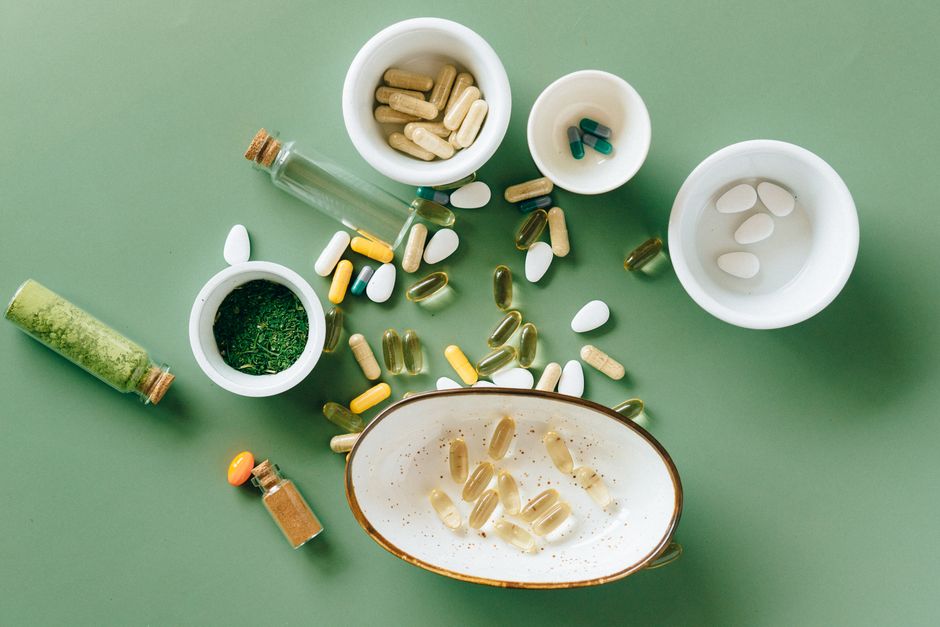
Each of the 9 ingredients was specifically selected for its evidence base and its synergistic role in the formula.
A Note on Realistic Expectations
Adults who use natural blood sugar support formulas report a wide range of experiences — some notice meaningful improvements in energy stability and reduced cravings within a few weeks, while others find any changes more gradual. No supplement works identically for every person, and results depend on individual factors including starting metabolic health, dietary habits, activity level, and consistency of use. What matters most is choosing a formula made from quality ingredients, taking it consistently as part of a healthy routine, and giving it adequate time. The 180-day satisfaction guarantee associated with this formula is specifically designed to allow adults a meaningful trial period without financial risk.
Want the Full Research Report?
Enter your email below to get instant access to the complete ingredient breakdown, the science behind the formula, and how to try it risk-free with a 180-day guarantee.
The 9 Key Ingredients — and What the Research Says
Here is a plain-language breakdown of each ingredient in the formula and why it was included based on published research and traditional use evidence:
Berberine HCl
One of the most extensively studied compounds in natural medicine, berberine is an alkaloid found in several plants including barberry, goldenseal, and Oregon grape. Dozens of published studies have examined its effect on glucose metabolism and insulin sensitivity. It is believed to work by activating a key enzyme called AMPK, sometimes called the 'metabolic master switch.' It is included in this formula as a cornerstone blood sugar support ingredient.
Ceylon Cinnamon
Unlike the more common cassia cinnamon, Ceylon cinnamon (Cinnamomum verum) is often called 'true cinnamon' and has been the subject of published research examining its role in supporting healthy glucose levels. Cinnamon compounds are thought to mimic insulin and improve glucose uptake in cells. Its traditional use in Ayurvedic and traditional Chinese medicine for metabolic wellness spans centuries.
Corosolic Acid (Banaba Leaf)
Banaba leaf has been used in traditional Filipino and Southeast Asian herbal medicine for generations. Its primary active compound, corosolic acid, has been studied for its ability to stimulate cellular glucose uptake. Published research suggests it may help support healthy post-meal blood sugar levels. It is included in this formula for its traditional use history and the growing body of published research surrounding it.
Saffron Bulb Extract
Best known as the world's most expensive spice, saffron (Crocus sativus) carries a remarkable history of use in traditional Persian and Mediterranean wellness practices. Research published in peer-reviewed journals has examined saffron's role in reducing feelings of hunger, emotional eating, and between-meal snacking. By helping support a calmer appetite response, it may contribute to more sustainable eating habits as part of a healthy routine.
Fucoxanthin
A naturally occurring carotenoid found in brown seaweeds, fucoxanthin is a compound that has attracted significant scientific interest for its potential role in supporting a healthy metabolism and body composition. Emerging published research has examined fucoxanthin's effect on adipose tissue and metabolic rate. It contributes to the formula's comprehensive metabolic support profile and reflects the sea-botanical tradition present in many traditional wellness systems.
Citrus Sinensis Extract
Derived from sweet orange peel, citrus sinensis extract provides a natural source of flavonoids including hesperidin and nobiletin. These compounds have been studied for their role in supporting healthy circulation, a normal inflammatory response, and metabolic function. Traditional citrus-based remedies have been used in Mediterranean and Middle Eastern wellness traditions for centuries as digestive and metabolic tonics.
Fucoidan (Laminaria Japonica)
A complex polysaccharide found in the cell walls of various brown seaweed species, fucoidan has been studied for its antioxidant, anti-inflammatory, and immune-supporting properties. Coastal cultures in Japan and Korea have consumed fucoidan-rich seaweeds as part of their traditional diets for centuries. It is included in this formula for its overall wellness-supporting properties and its contribution to the formula's antioxidant profile.
Kudzu Flower Extract
Kudzu (Pueraria montana) is a vine plant with a long history of use in traditional Chinese and Japanese herbal medicine. Its flower extract has been studied for its effects on appetite regulation and carbohydrate metabolism. Isoflavones found in kudzu have been examined in published research for their role in supporting metabolic balance and healthy body composition over time.
Oleuropein (Olive Leaf)
A polyphenol found naturally in olive leaves, oleuropein has been the subject of published research examining its cardiovascular, antioxidant, and metabolic properties. The Mediterranean tradition of consuming olive-based foods as part of a longevity-promoting diet has deep historical roots. In this formula, oleuropein contributes to the overall antioxidant and metabolic support profile, complementing the other botanical ingredients.
Ready to see how all 9 ingredients work together in one formula?

Is This Approach Right for You?
This formula was designed for adults who want to take a proactive approach to metabolic wellness — particularly those who suspect that blood sugar instability may be contributing to weight management challenges, persistent cravings, or low energy. It is not a replacement for medical care, but it may be a meaningful complement to it.
It may be especially relevant if you:
- Are over 40 and finding it increasingly difficult to manage your weight despite reasonable effort
- Experience intense food cravings — especially for sweets or starchy foods — particularly in the afternoon or evening
- Notice significant energy slumps 1 to 2 hours after meals
- Have been told your blood sugar is 'borderline' or 'pre-diabetic' and want to be proactive
- Feel that your appetite is harder to manage than it used to be, despite no major change in diet
- Prefer natural, research-backed approaches over pharmaceutical interventions when appropriate
- Want to try something risk-free before committing to a longer routine
The formula is manufactured in an FDA-registered, GMP-certified facility. It is non-GMO, free from stimulants and harmful additives, and comes with a 180-day, no-questions-asked money-back guarantee. That means if you do not notice a meaningful improvement within six months, you can request a full refund — making the risk of trying it essentially zero.
Frequently Asked Questions
What exactly is a blood sugar support supplement?
A blood sugar support supplement is a dietary formula containing vitamins, minerals, and plant-based compounds that research suggests may help maintain healthy glucose levels already within a normal range, support healthy insulin sensitivity, and reduce food cravings — all of which can support healthier weight management over time. These formulas are not intended to diagnose, treat, or cure any medical condition, and they are not a substitute for medical care.
Which natural ingredients have the most research behind them for blood sugar support?
Berberine has perhaps the deepest body of published research, with dozens of clinical and laboratory studies examining its role in glucose metabolism. Ceylon Cinnamon, corosolic acid from Banaba leaf, and chromium have also been studied extensively. Saffron extract is notable for its research in appetite and craving management. Fucoxanthin from seaweed represents a newer area of emerging science. Together, the 9 ingredients in this formula represent a comprehensive, multi-pathway approach to metabolic support.
How long before I notice any changes?
People's experiences with natural supplement formulas vary considerably. Some report noticing improvements in energy levels and reduced cravings within 2 to 4 weeks of consistent daily use, while others find any changes more gradual over 60 to 90 days. Because each person's metabolism and starting point is different, there is no guaranteed timeline — which is why this formula comes with a 180-day satisfaction guarantee.
Is it safe to take alongside my other medications?
The formula uses natural ingredients and is manufactured in an FDA-registered, GMP-certified facility. That said, if you are taking prescription medication — particularly blood glucose-lowering medications, blood pressure medications, or blood thinners — please consult your physician before adding any new supplement to your routine, as some botanical compounds may interact with certain medications.
Can this replace my blood sugar or weight loss medication?
No — and this is important. Natural supplements are not intended to diagnose, treat, cure, or prevent any disease, and should never replace medications your doctor has prescribed. Think of them as a complementary tool in your overall wellness routine, not a medical treatment. If you have a diagnosed metabolic condition, work with your healthcare provider alongside any supplement regimen.
See the Full Research & Try It Risk-Free
Discover the complete science behind this 9-ingredient blood sugar support formula and find out how thousands of adults are taking back control of their metabolic health — with a 180-day money-back guarantee.
180-Day Money-Back Guarantee· No questions asked · Results may vary
This article is for informational purposes only and does not constitute medical advice. Always consult with a qualified healthcare professional before starting any new supplement regimen. These statements have not been evaluated by the Food and Drug Administration. This product is not intended to diagnose, treat, cure, or prevent any disease.
References
- 1. Yin J, et al. Efficacy of Berberine in Patients with Type 2 Diabetes Mellitus. Metabolism. 2008;57(5):712-717.
- 2. Allen RW, et al. Cinnamon Use in Type 2 Diabetes: An Updated Systematic Review and Meta-Analysis. Ann Fam Med. 2013;11(5):452-459.
- 3. Miura T, et al. Corosolic Acid Induces GLUT4 Translocation in Genetically Type 2 Diabetic Mice. Biol Pharm Bull. 2004;27(7):1103-1105.
- 4. Gout B, et al. Supercritical CO2 Extraction of Saffron (Crocus sativus L.) and Its Effect on Appetite and Body Weight. Nutr Res. 2010;30(5):305-313.
- 5. Maeda H, et al. Fucoxanthin from Edible Seaweed, Undaria pinnatifida, Shows Antiobesity Effect Through UCP1 Expression in White Adipose Tissue of dsRNA/2 Diabetic Obese Mice. Biochem Biophys Res Commun. 2005;332(2):392-397.
- 6. Semeraro R, et al. Effects of Oleuropein on Lipid Metabolism and the Risk Factors of Cardiovascular Disease. Phytomedicine. 2019;57:199-205.
ADVERTISING DISCLOSURE: This is an advertorial and not an actual news article, blog, or consumer protection update. This content is provided for informational purposes only. Statements made on this page have not been evaluated by the Food and Drug Administration. Products are not intended to diagnose, treat, cure or prevent any disease. If you are taking medication, or have a medical condition, consult your physician before using our products. Individual results may vary. This site is not part of the Facebook website or Facebook Inc. Additionally, this site is not endorsed by Facebook in any way. FACEBOOK is a trademark of META, Inc.